March 11, 2026
Visiting a local sauna can be an enriching experience that promotes relaxation and health. Saunas are found in various cultures worldwide, from the traditional Finnish sauna to the Turkish steam baths. This widespread presence underscores their benefits, including improved circulation and reduced stress. The purpose of this blog is to prepare you for your first sauna visit. By understanding what to expect, you can enjoy a comfortable and respectful experience at your local sauna.
Types of Saunas
Traditional Finnish Sauna
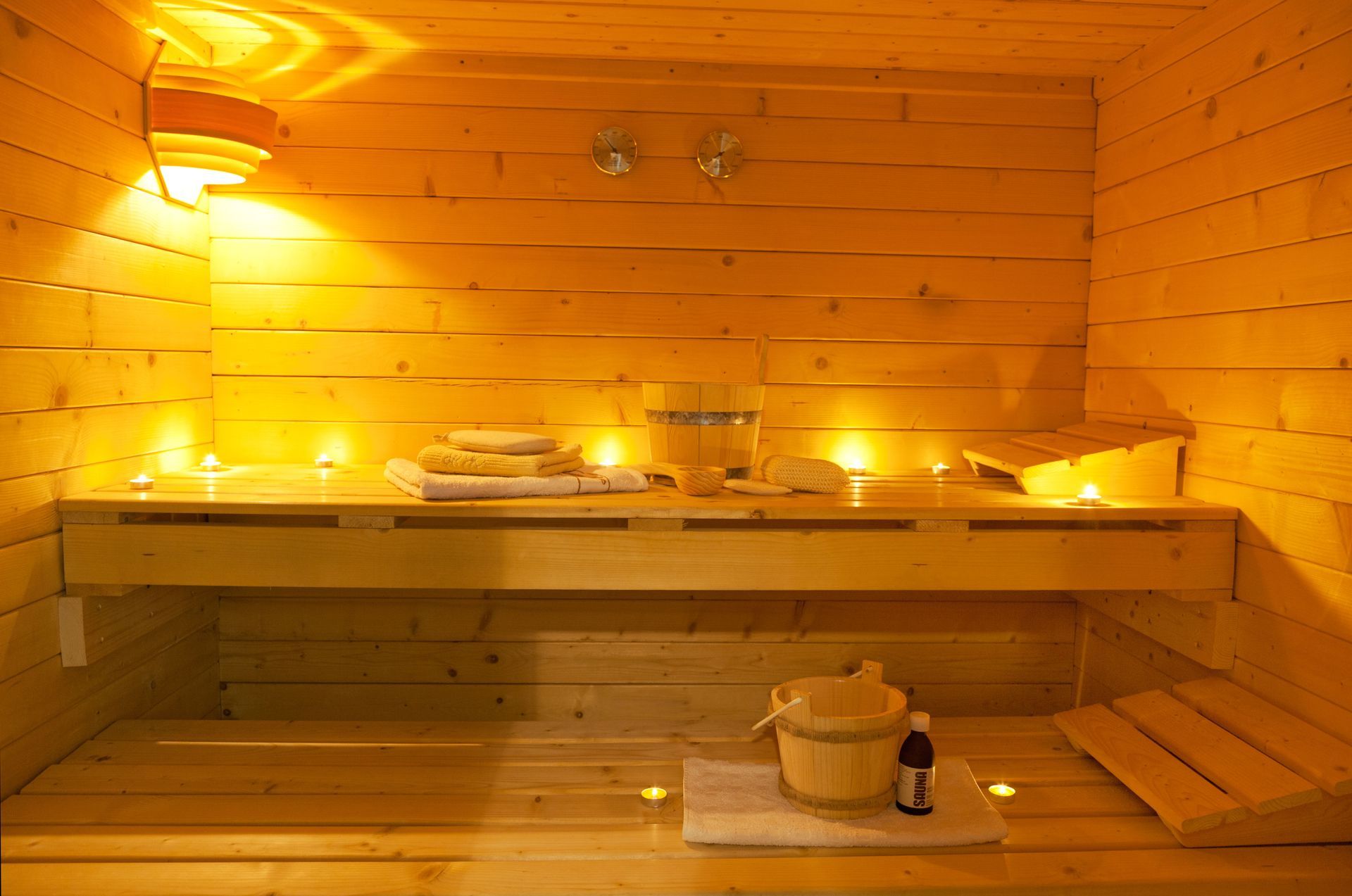
The Finnish sauna is perhaps the most iconic, known for its dry heat and wooden construction. Typically, the temperatures of these saunas make for an intense yet pleasant heat. These saunas often use wood-burning stoves or electric heaters to heat the air. The dry environment helps open pores and promote sweating, aiding in detoxification. Historically, Finnish saunas have been social spaces, a tradition that continues globally today.
Infrared Sauna
Infrared saunas differ in their method of heat delivery, using infrared heaters to emit radiant heat. This form of heat penetrates the skin more deeply, allowing the body to sweat at lower temperatures. Infrared saunas usually operate at temperatures people find more comfortable due to the milder heat. Despite their differences, all saunas aim to provide a rejuvenating experience.
Steam Room (Turkish Bath)
Turkish baths, or steam rooms, provide a moist, humid environment. Unlike dry saunas, steam rooms have much lower temperatures but nearly 100% humidity. This moisture can be beneficial for respiratory health, helping to clear nasal passages. Steam rooms are appreciated for their soothing mist and calming ambiance. The cultural significance of these saunas is profound, being places for social gathering and relaxation.
Russian Sauna
The Russian sauna combines elements of dry and steam saunas and typically involves a birch branch massage. These saunas operate at high temperatures similar to Finnish saunas but with higher humidity. This sauna experience is both social and functional, focusing heavily on cleansing and relaxation. Sweating in these environments is a historical tradition, often followed by a plunge into cold water. Variations of this practice are seen in saunas worldwide.
Common Features and Differences
While saunas vary, they share common features: heat, promotion of sweating, and relaxation. The primary differences lie in temperature, humidity, and cultural traditions. Regardless of the type, each sauna offers distinct health benefits. According to Medical News Today, in the U.S., there are thought to be over a million saunas. This prevalence highlights the sauna's broad appeal and universal relaxing nature.
Health Benefits and Risks
Cardiovascular Benefits
One of the significant health benefits of going to your local sauna is its impact on cardiovascular health. Regular sauna sessions can improve blood circulation and lower blood pressure. The heat causes vessels to dilate, thereby enhancing blood flow and cardiovascular conditioning. This effect can mimic moderate exercise, offering similar benefits for the heart. Therefore, saunas offer a unique blend of relaxation and health improvement.
Skin Health and Detoxification
Saunas are celebrated for their beneficial effects on skin health. The heat opens pores, allowing sweat to expel dirt and toxins. Regular use can lead to clearer, rejuvenated skin. In addition, the sweating process helps remove impurities, contributing to a fresher complexion. As a form of detoxification, saunas promote overall well-being through natural cleansing.
Mental Health and Relaxation
Beyond physical health, saunas contribute to mental well-being by reducing stress and encouraging relaxation. The quiet, meditative environment allows individuals to unwind from daily life. Using a sauna can enhance mood by releasing endorphins. Frequent sauna sessions can lead to improved sleep and decreased anxiety. As a holistic wellness practice, saunas cater to both body and mind.
Potential Health Risks
While saunas offer substantial benefits, they also pose potential risks if not used properly. High temperatures can lead to dehydration, overheating, and heat exhaustion. People with heart conditions or those pregnant should take caution and consult health professionals before use. Staying hydrated and limiting time in extreme heat can mitigate these risks. Being mindful of one's physical state ensures a safe and enjoyable experience.
Etiquette and Rules
Dress Code
Understanding dress code expectations at your local sauna is crucial for a respectful sauna visit. Swimsuits or towels are usually mandatory for most saunas. Understanding the rules of your local sauna ahead of time helps ease any discomfort and allows for a smoother experience. Respecting these norms ensures everyone's comfort and privacy.
Behavioral Expectations
As a shared environment, saunas rely on mutual respect and etiquette. Conversations should be kept quiet, respecting the calming ambiance. Personal hygiene before entering ensures a pleasant experience for all. Saunas are meant for relaxation, so the atmosphere is kept tranquil. Following these guidelines fosters a serene environment for everyone.
Steam and Temperature
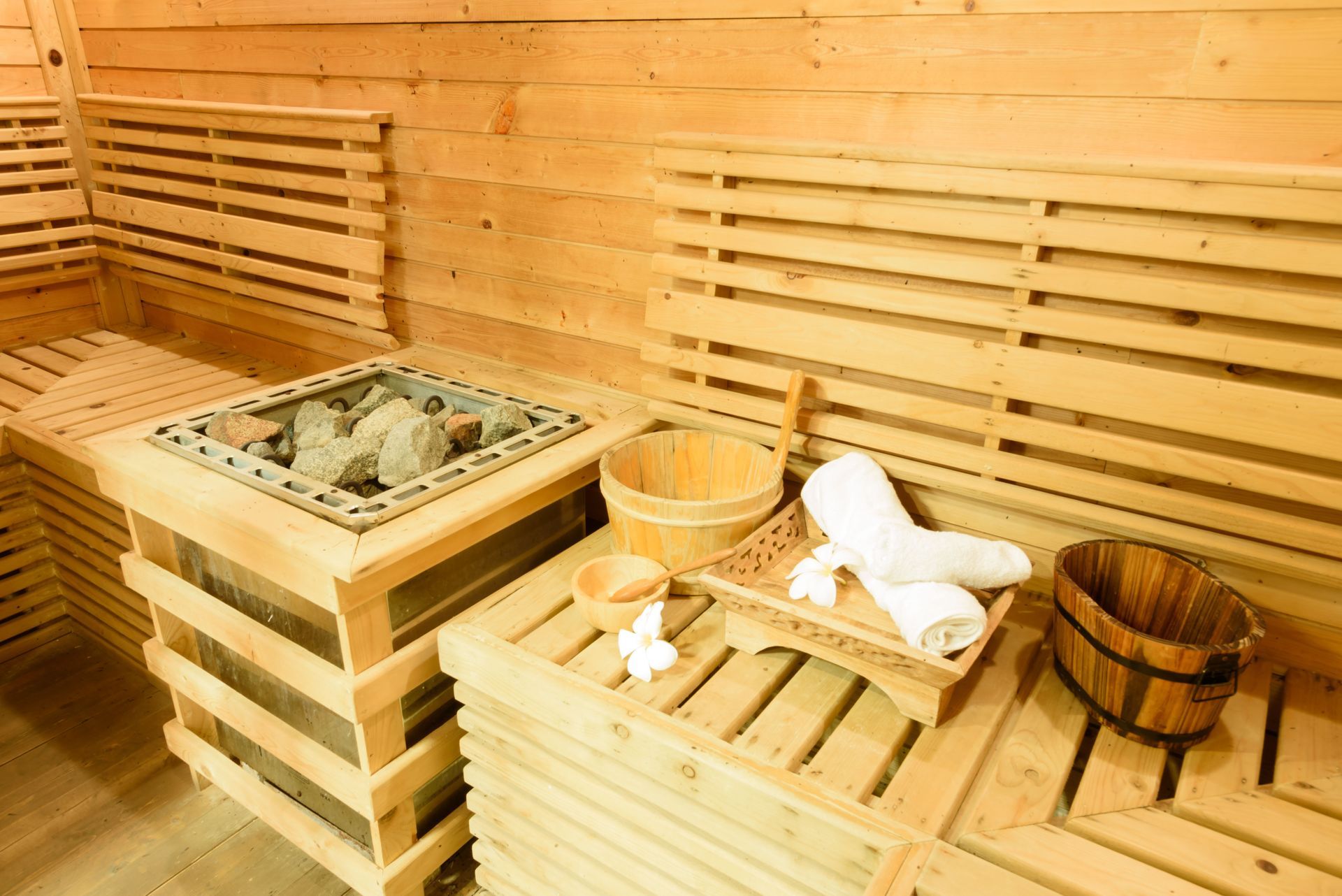
Understanding how to manage the sauna environment is key to enhancing the experience. Adding water to sauna stones creates steam by increasing humidity levels, altering the heat's intensity. Patrons should do this sparingly when sharing the sauna with others. Adjusting to your comfort level by alternating between heat and cool-down periods is recommended. Monitoring the internal temperature and one's body response is necessary for a safe session.
Personal Space
Furthermore, personal space is an important consideration during sauna sessions. With limited seating, being aware of spatial boundaries respects everyone's comfort. If a sauna becomes crowded, being courteous and allowing room for others is appreciated. Maintaining distance prevents discomfort and allows everyone to enjoy their space. By prioritizing respect for personal boundaries, a positive atmosphere is maintained.
Visit Preparation
Availability Check and Booking
Before visiting a local sauna, planning by booking sessions is recommended. Many saunas, especially popular ones, have limited space and may require reservations. By checking availability, you secure your spot and avoid unnecessary waits. Additionally, this allows you to inquire about the facility's rules and guidelines. Being well-prepared enhances the overall experience.
Items to Bring
Bringing the right items to a sauna ensures comfort and convenience. Essentials include a towel, water bottle, and possibly a swimsuit, depending on the dress code. Some prefer to bring a small towel to sit on for hygiene. Avoid heavy clothing or jewelry that might trap heat. Ensuring you have these items enhances both the safety and enjoyment of your session.
Prior Nutrition and Hydration
Proper nutrition and hydration play an important role in preparing for a sauna. Heavy meals should be avoided, as they can lead to discomfort in high heat. Instead, opt for light, nutritious snacks beforehand. Most importantly, drink ample water before entering the sauna. Staying hydrated prevents dehydration and ensures a safe experience.
Prior Showering
Finally, showering before using a sauna is a common requirement in many facilities. Cleansing the body of lotions, perfumes, and dirt maintains a clean sauna environment. Warm showers also prepare the body for the sauna's heat, easing the transition. Many find that showering beforehand enhances the session's effectiveness. Embracing this practice respects both personal and communal hygiene.
Understanding the various types of saunas, their health benefits, and etiquette enriches the sauna experience. From cardiovascular improvements to mental relaxation, saunas offer numerous advantages. Respect for personal space, proper hydration, and attention to your body ensure a safe experience. If you have any questions, please don't hesitate to reach out. For a local sauna, contact our dedicated team at Tribe Cold Plunge today.